
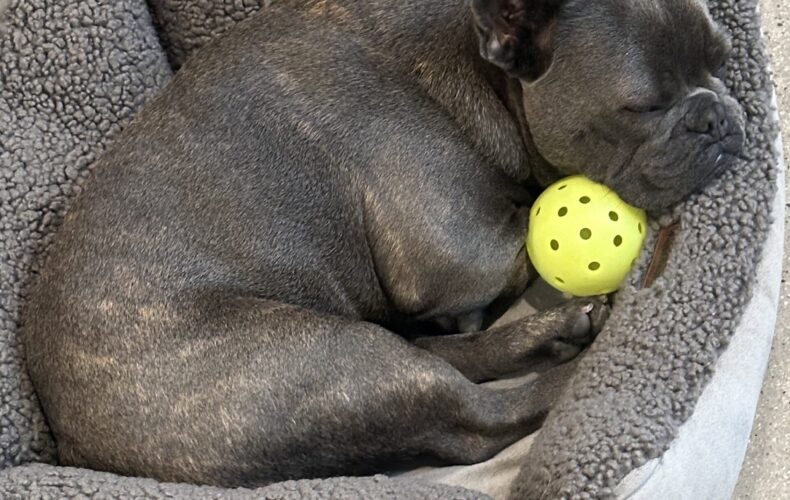
Your workout doesn’t make you stronger.
Recovery does.
The workout is the stimulus. The improvement happens later—when your body repairs, rebuilds, and adapts.
Our bodies are incredible machines. Right now, without us consciously thinking about it, our bodies are moving oxygen through the bloodstream, regulating temperature, digesting nutrients, repairing tissue, rebuilding muscle, strengthening bone, fighting off disease, and constantly adapting to the stress we place on them.
Every workout, hike, swim, bike ride, or pickleball match sends a message to the body: “Prepare me to handle this better next time.” And remarkably, the body responds. It works behind the scenes to repair, rebuild, and adapt in ways most of us rarely stop to appreciate. We are all owners of one of the most advanced and resilient systems on earth.
Recovery is not about “hacking” this system. It’s about supporting it.
Think about rush hour traffic. Even the best car in the world struggles when every lane is packed, exits are closed, construction is everywhere, and traffic grinds to a halt.
Our bodies are similar. Poor sleep, nonstop stress, dehydration, inactivity, and constant stimulation create roadblocks that slow recovery and adaptation. Sleep, movement, hydration, nutrition, and moments of calm help clear the lanes.
Sleep is your #1 recovery tool, yet many of us treat it like leftover time.
Research consistently shows poor sleep negatively affects:
- Recovery (results)
- Energy and motivation
- Injury risk
- Aches, pains and morning stiffness
- Appetite control
- Long-term health
Active recovery matters too. Sometimes the best thing after a hard workout is an easy walk, proper hydration, some good food and maybe a little stretching. Recovery is about supporting your body, not giving it more hard work.
You have just this one body, and it’s absolutely amazing! The better you support its natural ability to recover and adapt, the better it can support you.
🎯 Your Takeaways
1. Set an alarm 30 minutes before your ideal bedtime to start winding down and getting ready for sleep.
2. Start and end your day with a few minutes of slow breathing, meditation, or simply stepping away from screens.
3. Take a short walk after dinner, stretch while watching TV and keep an insulated glass of ice water on hand.
Train Smart. Smile Often.
-Rich Roe
P.S. I am looking to grow my subscriber list. If you can think of 1 person, please share this article.



Leave a Reply